Software
Day in the Life: Chief technology and product officer
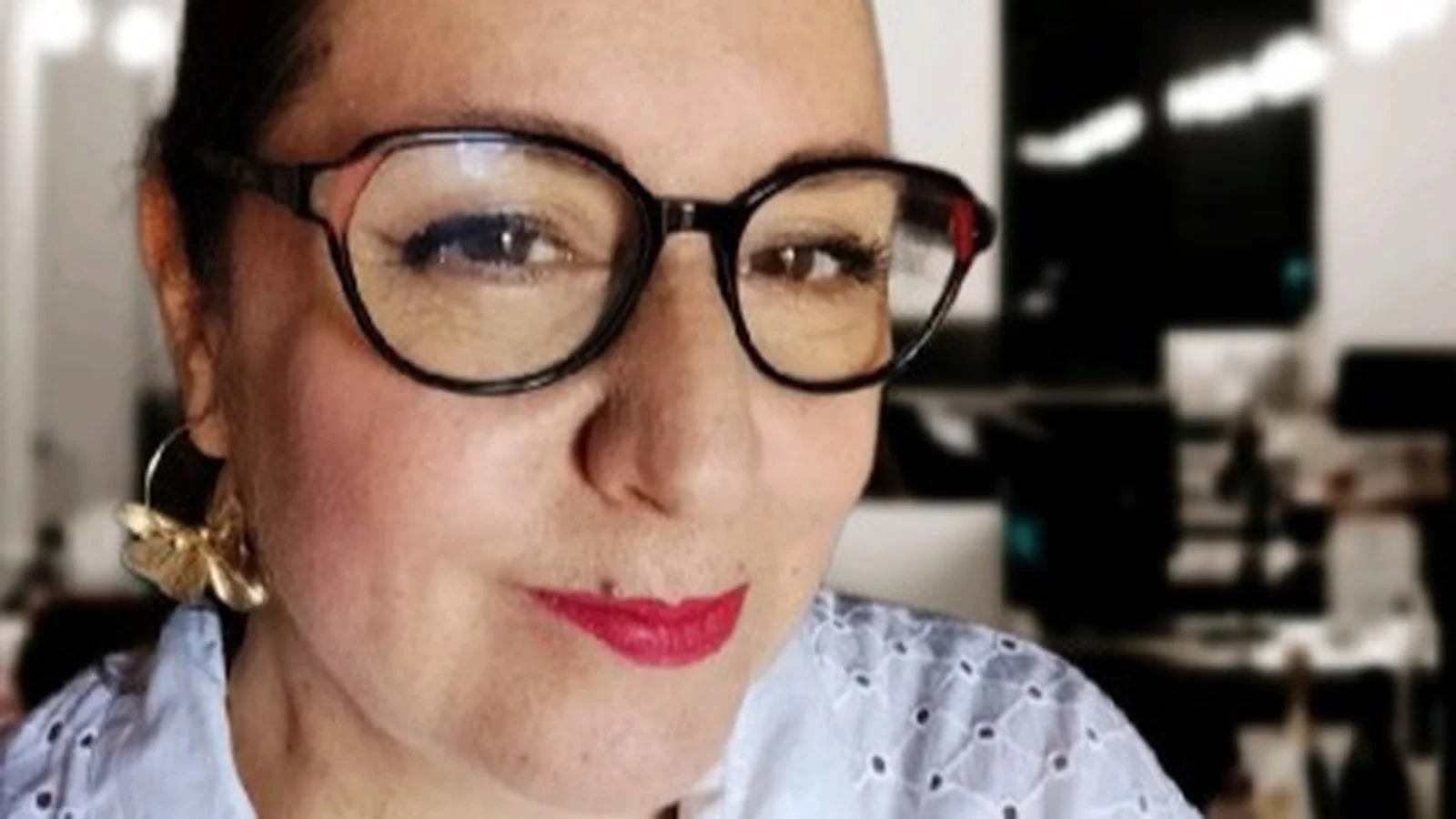
Digital Signage Today's career series installment features Teresa Rojas Rajs, chief technology and product officer at nisign. The best part of her job is when something intrinsically complex ends up as an elegant design that feels simple to the person using it.
October 1, 2026 by Judy Mottl — Editor: RetailCustomerExperience.com & DigitalSignageToday.com, Connect Media
 ChatGPT
 Grok
Grok Perplexity
 Claude
There are hundreds, if not thousands, of job roles in the digital signage industry and getting a sneak peek at what those roles are is the focus of Digital Signage Today's series: Day in the Life. In each profile a digital signage industry professional will share their insights on everything from specific job role responsibilities to what they like or don't like about their job, and will give advice to those looking to step into the role.
In this month's installment, Teresa Rojas Rajs, chief technology and product officer at nisign, a software-as-a-service company, shares insight on what her role requires, what she loves and doesn't love about her job and what she recommends to others looking to move into the role.
Q. How did you get into the digital signage industry and what was your first-ever job in the industry?
Through research, first. I did a PhD in Multimedia Engineering at UPC in Barcelona, and my thesis was a case study on telepresence learning environments for opera singing — remote lessons that only work if the audiovisual quality is good enough to actually teach with. That was my real exposure to the AV world: acoustics, video, networks and people, all at once. Professionally I came from software engineering — consulting, cloud platforms, business intelligence and large-scale SaaS — and nsign was my direct entry into digital signage. It is still my first role in the sector, and it is exactly where those two paths meet.
Q. What skills are required for your job?
Technical rigor, resilience, communication and empathy. Also product judgment — knowing what not to build — a security mindset, and the ability to translate business goals into architecture, and architecture into something the customer never has to think about.
Q. What are your usual/typical workday hours and are any job tasks done beyond workday hours?
I'll let you know when I have a typical week. Releases, incidents, trade shows and teams across time zones make every week different. One thing is fixed: at night my family disconnects completely to have dinner together, with no screens.
Q. What does your role involve/focus on?
Combining product and technology. I'm not only CTO and not only CPO — I'm CTPO. My job is to decide what we build and to make sure it is technically viable, scalable and sustainable in cost, with the best possible outcome for the business. I also carry the CISO hat, so security is part of that same decision rather than a review that happens afterwards. A large part of my hours goes into coordinating the team and resolving exactly those questions well.
Q. What are some of your daily duties/tasks?
Coordinating and unblocking teams, and reviewing product and technology priorities. I spend a good part of my week interviewing people: customers and partners, to understand what they actually need rather than what they asked for, and software and hardware vendors, to decide what deserves a place in our stack. The rest goes to architecture and feasibility discussions, scalability and security decisions, and hiring and mentoring.
Q. What are some unique aspects to your role?
Product, technology and security sit in the same head, so nothing is lost in translation between what the market needs, what we can actually build and what we can safely run. And the field itself is unusual: thousands of devices connecting globally, plus content, data and physical spaces, all in one ecosystem.
Q. Describe a typical workday in terms of what you do in your role.
Mornings are usually for people: syncs with engineering and product, unblocking decisions, reviewing what shipped. Midday often goes to listening — a call with a customer or a partner about a real problem in a real deployment, or a session with a vendor evaluating hardware or software we might build on. Afternoons I protect for deep work: architecture, roadmap, security and strategy. Then dinner with my family, screens off.
Q. What is the best part of your job?
When something intrinsically complex ends up as an elegant design that feels simple to the person using it. And watching people on my teams grow into architects and leaders — that multiplies far beyond any single project.
Q. What is not the best part of your job?
Prioritizing. Saying "not now" to good ideas — from customers, from the team, from myself — is the hardest part of the role.
Q. What advice would you give to someone looking to work in your job role?
Learn to speak both languages, product and engineering, and don't be afraid of complexity: it can be learned, broken down and worked through. Stay curious, build with others, and keep one motto in mind — simplify complexity.
About Judy Mottl

Judy Mottl is the editor of RetailCustomerExperience.com and DigitalSignageToday.com at Connect Media. She is an award-winning editor, reporter and blogger who has worked for top media for nearly four decades, including AOL, InformationWeek and Internet News, as well as for leading technology providers including HP. She’s written everything from breaking news to in-depth industry trends and reported on technology long before the internet arrived, including the debut of the first smartphone. When she's not sharing insights on digital signage deployments and trends in retail customer experience she's on the beach or watching the latest live murder trial.
Related Media
Subscribe
Get the latest news and resources from Digital Signage Today.