Hardware
What's the distinction between digital signage, video walls?
Although the terms are often used interchangeably, digital signage and video walls serve distinct purposes. Amped Digital provides guidance on the distinction.

June 23, 2026 by Digital Signage Today
 ChatGPT
 Grok
Grok Perplexity
 Claude
Leading Australian digital signage provider Amped Digital has issued industry guidance to help businesses navigate the growing divide between digital signage and LED video wall deployments, two technologies frequently confused but built for very different commercial outcomes.
The clarification arrives as the Australian digital signage market, estimated to be valued at more than $400 million, continues to expand across retail, quick-service restaurants, corporate workplaces and transport hubs.
"Global LED video wall revenues are projected to continue growing in the coming years. This trend is driven by decreasing pixel pitches and the growing adoption of MicroLED technology, which enables sharper imagery in close-proximity environments." said Matt Steedman, director at Amped Digital.
Two technologies, two very different jobs
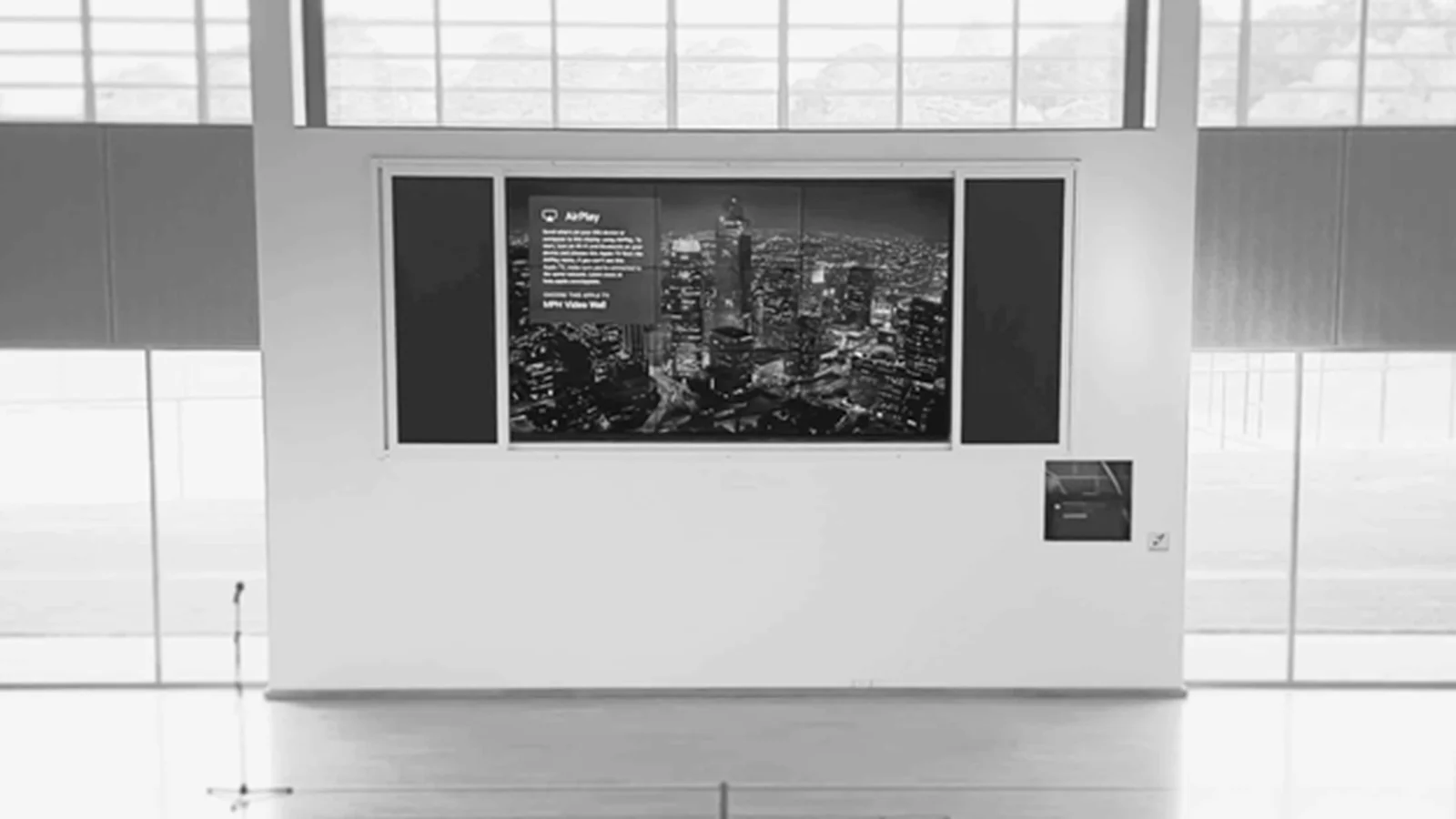
Although the terms are often used interchangeably, digital signage and video walls serve distinct purposes. Digital signage typically refers to one or more independent commercial-grade screens running managed content through a cloud-based content management system. Video walls, by contrast, tile multiple LCD or LED panels together to create a single large-format canvas, supported by a dedicated video wall processor or controller.
A single commercial-grade screen with a CMS typically sits between $1,000 and $5,000, while video wall deployments can range from $10,000 to well over $100,000 depending on size, technology and structural work. Amped Digital notes that setup complexity also differs sharply, with video walls requiring calibration, dedicated controllers and, in many cases, structural reinforcement.
Matching the technology to the business outcome
According to Amped Digital, the most common mistake businesses make is choosing the technology before defining the job it needs to do. Retail promotions, menu boards, wayfinding and internal communications are typically best handled by standalone digital signage. Flagship lobbies, airport terminals, entertainment venues and control rooms tend to benefit from the seamless visual impact of a video wall.
"The question isn't which technology is better, it's which one fits the environment and the message," said Matt. "A national franchise with 200 stores needs a platform that can push consistent content to every screen and update menus by time zone. A flagship brand experience in a CBD showroom needs a canvas that stops people in their tracks. Those are very different problems with very different solutions."
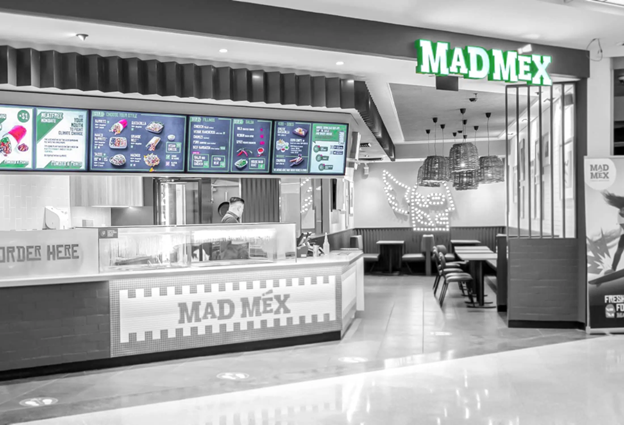 |
| Photo: Amped Digital |
The company manages its client networks through Navori, formerly SignageLive, a powerful cloud-based digital signage platform that serves as Amped Digital's content management system of choice. Navori supports centralized scheduling, live content updates and location-specific playlists across fleets ranging from a single display to more than 1,000 sites.
Scaling from a single screen to flagship deployment
For businesses building a business case, Steedman said a staged approach usually makes the most sense.
"Most clients don't need a six-figure video wall on day one," Steedman said. "Starting with digital signage lets them prove ROI, see what content actually works and build the infrastructure for a video wall later. LED panels are modular by design, so running power and data to the right locations during an initial fit-out can save significant cost down the track."
Amped Digital's work with Lotte Duty Free at Melbourne Airport, where a large-format LED video wall anchors a high-traffic duty-free retail environment, illustrates the kind of venue where a unified canvas delivers stronger impact than distributed screens. Many clients ultimately adopt a hybrid model, combining a feature video wall with a network of individual signage screens throughout the space.
Related Media
Subscribe
Get the latest news and resources from Digital Signage Today.
Recent Posts