DOOH Advertising
Why screens alone don’t create a successful in-store retail media network
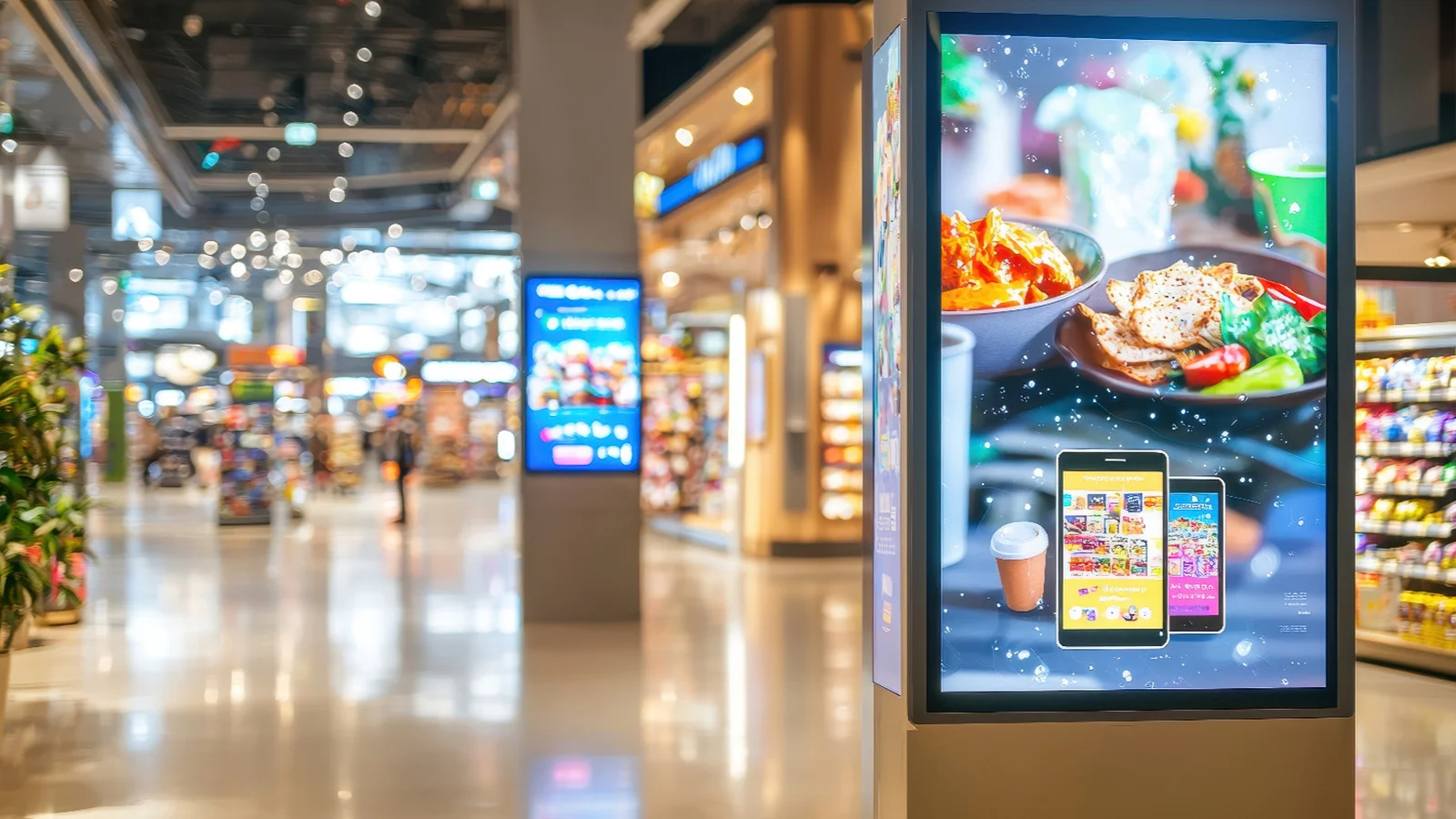
Digital signage is about getting content onto a screen, but signage platforms aren't built like retail media networks.
September 29, 2026 by Nikk Smith — Sales Director, Pixel Inspiration
 ChatGPT
 Grok
Grok Perplexity
 Claude
Retailers have long worked to harness screen technology to boost customer journeys, brand engagement and sales, backed by data like Grocery TV's June 2026 study, which found 62% of shoppers bought an item after seeing it on an in-store screen. Many have also assumed that deploying digital signage is the same as creating a revenue-generating retail media channel.
What's missed is the difference between digital signage and in-store retail media. Both use screens as the canvas of communication, but the commercial, administrative and technological details underpinning them can be very different. Ignoring this and deploying at breakneck speed risks missed expectations.
Perils and pitfalls of the gold rush
Recent changes to privacy legislation in the digital advertising world have added significantly to the value of first-party retailer data. Brands understand this and appreciate the benefits of getting their message closer to the point of decision over a reliance on more heavily regulated third-party aggregators.
Spend across onsite, app and in-store retail media networks is already in the Billions and projected to grow rapidly. Coupled with the sales uplifts on products achievable with well-placed campaigns, the numbers are genuinely persuasive.
Globally, retail media is now a $145–175 billion category, and is growing each year. In-store is the smallest part, being forecast to reach $1.06 billion by 2028, so retailers see this as a future opportunity to explore. Some retailers have succumbed to a gold rush mentality, chasing the market by rapidly deploying new screen inventory into stores, but the ones building sustainable retail media are treating screen space as a commercial platform, an asset to be priced, sold and measured on its own terms.
Move too fast and results become predictable, with inconsistent placement, poorly specified software, and commercial models no one can sell against. Screen inventory ends up with little advertiser value, contracts get broken and, in the case of Stratacache UK, the supplier went out of business after over-promising on networks it couldn't follow through to scale.
This illustrates the perils lying facing retailers and providers who deploy commercially unviable solutions. Stratacache offered partner retailers the in-store technology in return for a revenue share of the advertising placed on the retail media network, but in several cases either failed to deploy any significant inventory or struggled to monetise what they did deploy.
It's essential to realise that a screen on its own, is not a retail media channel. Rushing to install technology without a well-researched and viable commercial model behind it is a costly mistake. This can be avoided by understanding the core principles of what makes a good network: audience reach, consistent formats and capable software coupled with the shrewd use of first-party data.
Where are retailers currently with in-store media?
It's fascinating and highly informative to look across the current retail landscape and see the brands that are leading the field in the implementation of viable in-store media.
Tesco, for example, are creating a cohesive strategy; the partnership with dunnhumby, the global customer data science giant, playing a vital role in this market-leading approach. More than 20 million UK families now hold a Clubcard, which provides a wealth of first-party data that can be leveraged by Tesco's commercial team.
By connecting its screen and online inventory to the same data platform that understands how their customers discover and purchase products across stores, web and app, Tesco is able to leverage its data to provide insight into purchasing habits and preferences to deliver media that provides maximum appeal to advertisers.
First-party data key to retail media value
Customer data can be gathered in various ways; basic footfall trackers are the starting point to identify audience volume, but transactional information gives detail on spending habits and patterns, helping define a retail audience to advertisers. The most effective data source in the modern retail estate is loyalty cards. The data tells retailers so much, not just about individual customers' preferences but also the times, days and stores where certain products are popular, as well wider purchasing patterns.
This information can be used to help advertisers decide where to place their online and in-store campaigns – and is the crux of well-executed retail media: when brands and advertisers can be sure their campaigns are going to be seen by the target audience that fits their needs, their confidence in the channel increases and more media spend follows
Digital signage is about getting content onto a screen, but signage platforms aren't built like retail media networks. Retail media needs software that targets content by audience (matched to a retailer's 1st party data) and maps that to specific displays and time slots. It also must track each screen's occupancy, so bookings never exceed 100% of available inventory. Signage platforms skip this: they run on an infinite loop, pushing unlimited content with no way for media buyers to spot unused space. It sounds like a small difference, but from a software perspective, it's huge.
The blunders to avoid
- Inconsistent screen placement and lack of coverage. Without consistent in-store positions, across the widest geography possible it is difficult to market the network and will become more-so as others expand their reach.
- Capability of the infrastructure. Choosing the right software and hardware at the outset of your in-store screen implementation is essential. It determines the commercial viability of your network long-term.
- Lack of future planning. Programmatic advertising is growing its share of the market. Only 5% of current processes are driven by programmatic technology, but it is predicted that this will soon rise to around 30%.
It's tempting to rush to install screens to keep up with the herd. But racing ahead without a coherent commercial model and technical implementation strategy can be an expensive mistake.
About Nikk Smith

I was a founder of Pixel, back in 2004 and with my friends and team, I've helped it grow from a start-up to become a business that now employs over 115 full-time staff with £20M+ turnover. When Pixel was acquired in 2017, I became Managing Director. In April 2025, after 21 years, I took a step sideways to become our Sales Director.
Related Media
Subscribe
Get the latest news and resources from Digital Signage Today.